2020 the Year of Lock Down SVG: A Designer’s Practical Review
First Impressions and Design Personality
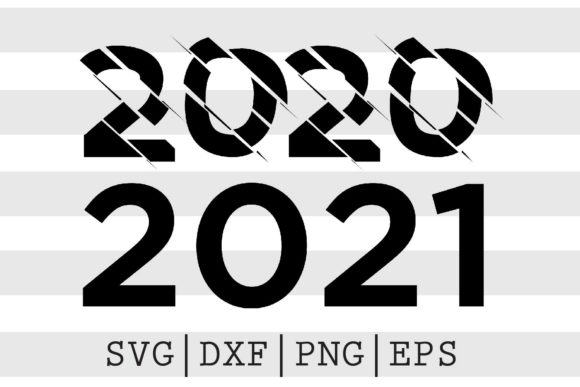
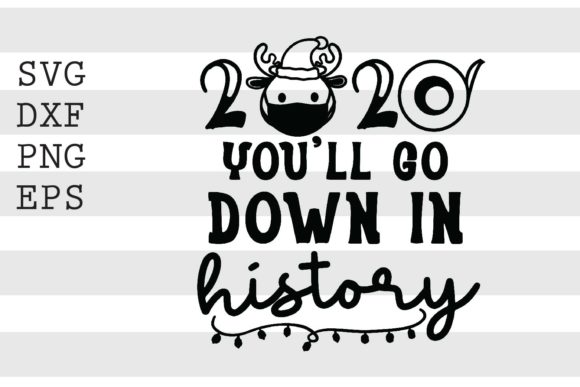
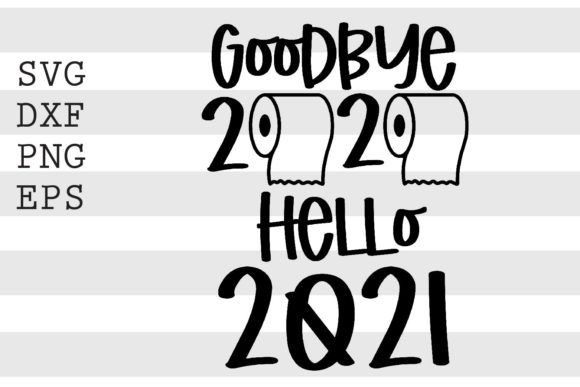
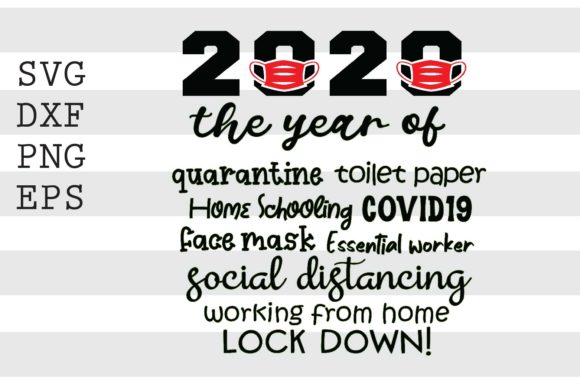
The 2020 the Year of Lock Down SVG immediately brings a nostalgic, yet reflective mood to mind. It's one of those designs that captures a moment in time with both simplicity and sentiment. As an embroidery designer who regularly evaluates digital graphics for real-world application, I find this design has a clear visual identity—minimalist text with subtle graphic elements that speak to the shared experience of many during the pandemic.Where This Embroidery File Shines
I’ve used similar SVG files on a variety of items, and the 2020 the Year of Lock Down SVG performs well on common craft and apparel surfaces. Here are some of the best use cases I see:- Tote Bags: This design works beautifully on canvas or cotton-blend totes. Its bold typography stands out against natural or light-colored backgrounds, and the lack of fine detail means it stitches cleanly even if the fabric isn’t perfectly smooth.
- Sweatshirts and T-Shirts: The flat, non-3D nature of the design makes it a good fit for soft knits. On sweatshirts, the stitch coverage is gentle enough not to pucker, while still being prominent enough to catch attention.
- Baby Clothes and Nursery Decor: If you're planning to personalize a baby item or create a keepsake blanket or pillow cover, this SVG can be adapted with softer thread colors and adjusted stitch density to suit delicate fabrics.
- Holiday Gifts and Boutique Merchandise: Whether you're making custom aprons for Christmas markets or adding a touch of humor to a small shop product, this design adds personality without becoming distracting.
- Digital Product Previews and Etsy Listings: For digital sellers, the file looks great in printable mockups. Its clarity and boldness translate well into preview images, helping customers visualize how it will appear on their chosen item.
Design Considerations for Real Projects
While the 2020 the Year of Lock Down SVG is a strong contender for many embroidery projects, there are a few areas where care is needed:Small Hoop Sizes: Because the text is fairly large, trying to force it into a tiny hoop could result in crowded lettering and reduced legibility. It's better suited for mid-sized to large embroidery hoops.
Textured or Stretchy Fabrics: If you're working with stretchy materials like spandex blends or highly textured ones such as flannel, the design may require some tweaking. Especially if you're using satin stitch on letters, stretching can distort the shape. Testing on scrap fabric is always recommended here.
Thin or Delicate Fabrics: The design uses moderate stitch density, which is usually safe, but thin garments like dress shirts or lightweight linen can show through if not stabilized properly. Use tear-away or cut-away stabilizers depending on the fabric type and stitch style.
Dark Fabric Backgrounds: Thread color contrast becomes essential. While the design likely includes suggested thread colors, I recommend testing on a dark background to ensure visibility. Sometimes what looks good in theory needs a brighter palette in practice.
Curved Surfaces (Caps, Hats): Although the design is flat and simple, applying it to curved surfaces can cause distortion unless you adjust the placement carefully. I suggest using a patch-style applique method or preparing the design for curved stitching by adjusting anchor points and using running stitch outlines.
Professionalism and Brand Consistency
For Etsy sellers, craft business owners, and anyone involved in commercial embroidery, consistency matters. The 2020 the Year of Lock Down SVG maintains a professional appearance when stitched correctly. It fits well within collections that focus on modern, minimalist, or humorous themes.Practical Tips for Embroidery Designers
- Test on Scrap Fabric: Always do a trial run. See how the stitch density interacts with the material, how the colors pop, and whether any adjustments are needed.
- Review Thread Color Contrast: Especially if your client prefers a monochrome palette, check whether the design remains legible in black and white. Some parts may lose definition.
- Check Stitch Density: Depending on your machine and fabric, reducing or increasing stitch density slightly can help prevent puckering or improve durability.
- Confirm Hoop Size: Make sure your hoop can accommodate the full size of the design without cutting off important parts or forcing awkward scaling.
- Inspect Small Details: If the design includes smaller icons or decorative accents, verify that they stitch clearly and don’t become lost in the overall composition.
- Use Proper Stabilizer: Especially on stretchy or slippery fabrics, the right stabilizer can make or break the final outcome.
- Confirm Licensing Before Selling: Since this is a digital embroidery file, ensure that licensing allows for resale of finished products or distribution of the file itself if selling digitally.