2020 2021 SVG Review: A Designer’s Take on Real-World Use
As an experienced embroidery designer and product reviewer, I’ve tested countless digital designs for their usability, visual impact, and overall value in real projects. When I came across the 2020 2021 SVG, it caught my eye with its clean layout and subtle design language. But before jumping into any project—whether a custom sweatshirt or a personalized gift—I always take a step back to evaluate how well the design will translate from screen to stitch. Here's what I found after putting this design through several practical scenarios.
First Impressions: Timeless Yet Contemporary
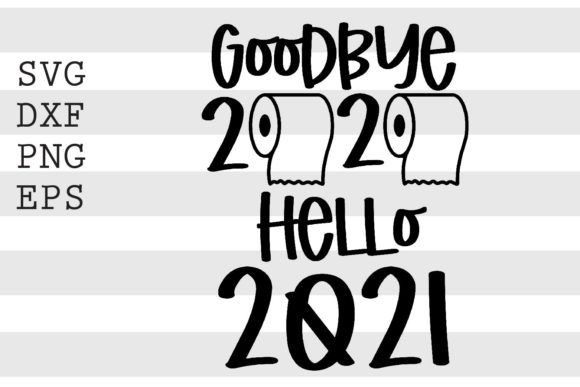
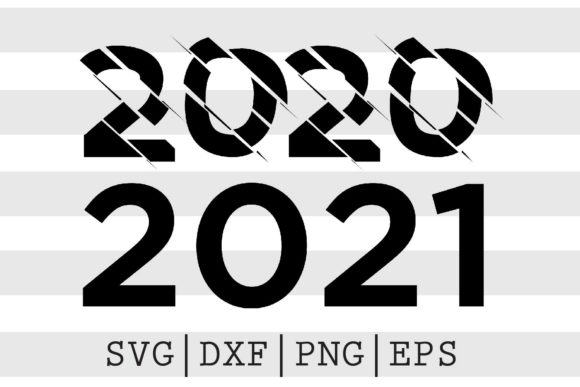
The 2020 2021 SVG feels like a versatile piece that could easily slide into multiple niches within the craft world. Its typography is modern and slightly rounded, which gives it a friendly, approachable look. The minimal detailing around the numbers makes it ideal for understated branding or date-specific items like holiday gifts or anniversary products. It doesn’t scream for attention but still manages to stand out when placed thoughtfully on fabric.
I immediately imagined using this design for a line of custom apparel—maybe a retro-inspired sweatshirt with a soft gradient background or a minimalist tote bag for a boutique shop. The shape is balanced, so it works well centered or aligned to one side. That kind of flexibility is rare in many machine embroidery designs, especially those labeled for mugs and t-shirts.
Real-Life Performance Across Projects
When applied to a tote bag design, the 2020 2021 SVG held up beautifully. The text was clear, and the stitch lines were even across the cotton canvas. I used a satin stitch along the main characters and fill stitch for the background, which gave the design a nice dimensional pop without being too busy.
For a sweatshirt embroidery project, the same design looked great on both light and dark fleece. On black fabric, the contrast was sharp, and the colors stood out more than expected. This is a big plus if you're planning to offer the design as part of your handmade product range or include it in an Etsy listing.
In terms of smaller projects like embroidered patches or cap embroidery, the design performed adequately. However, I noticed that the details started to lose clarity when stitched onto curved surfaces or in very small hoop sizes. If you’re working on something intricate, like a baby item or nursery decor, you might want to adjust the size or simplify certain elements to ensure visibility and durability.
Another interesting use case was applying the design to kitchen towels and pillow covers. As a holiday embroidery piece, it added a touch of nostalgia and celebration. The stitch density was just right—enough to hold the design together without making the fabric stiff. That’s a key factor for commercial embroidery projects where comfort and usability matter.
Where to Use with Caution
While the 2020 2021 SVG has broad appeal, there are specific situations where it may not perform at its best. For example:
- Small hoop sizes: The design contains enough detail that shrinking it below a certain threshold can lead to stitch distortion or loss of clarity.
- Textured fabrics: Stitching on denim or flannel can cause the letters to feel uneven, especially if the texture is pronounced.
- Stretchy or thin materials: These can cause the design to pucker or stretch out of shape during stitching.
- Dark fabric backgrounds: While it works well on black, some thread colors might fade against darker shades. Always test for visibility.
- Products needing frequent washing: Dense stitch areas can trap moisture and potentially affect the longevity of the design over time.
If you're planning to embroider this on a product like a baby onesie or a frequently used apron, be sure to consider these limitations and adjust accordingly. Using the right stabilizer and adjusting thread colors based on the base fabric can make a huge difference in the final outcome.
Design Impact on Visual Appeal and Branding
One thing I appreciate about the 2020 2021 SVG is how it subtly enhances the product value of whatever it's embroidered on. It’s not overly flashy, but it adds a sense of authenticity and craftsmanship that customers notice. In the context of personalized gifts or small shop merchandise, that kind of presentation can increase customer trust and perceived quality.
Its simple aesthetic also makes it a good fit for brand consistency. Whether you're creating a line of craft business items or building a cohesive theme for a handmade shop, this design integrates smoothly without clashing with other motifs or logos.
From a professional embroidery standpoint, the design looks polished and finished, which helps with buyer engagement. People browsing your Etsy listings or craft fair table are more likely to pause and examine a product with a clean, readable design. And if you're aiming for giftability, the 2020 2021 SVG delivers in a way that feels personal yet refined.
Designer Tips for Optimal Results
Before committing to a full production run or client order, here are some steps I recommend to get the most out of the 2020 2021 SVG:
- Test on scrap fabric first: Especially if you plan to use it on a new material type or in a different color scheme.
- Check thread color contrast: Make sure the chosen colors work well against your fabric choice. A black and white mockup can help identify potential issues.
- Review stitch density: Adjust fill or running stitches if necessary to prevent stiffness or puckering.
- Confirm hoop size: If the design is intended for small items like caps or patches, verify that it fits comfortably within the hoop without stretching.
- Inspect small details: Zoom in on the SVG file to see if tiny lettering or decorative accents might need simplification for certain applications.
- Use proper stabilizer: Backing or tear-away stabilizers can make a big difference in keeping the design crisp and intact.
- Compare light and dark fabric backgrounds: You may find the design needs tweaking for each version to maintain visual balance.
- Verify licensing: Since the description mentions it's “great for mugs and or t-shirts,” double-check whether it allows commercial use or requires attribution. This is essential for digital embroidery files sold as part of design assets.
Best Fit for What?
This design shines brightest on flat or semi-flat surfaces, particularly in the realm of apparel decorations and nursery or holiday-themed items. It’s perfect for:
- Custom t-shirts and sweatshirts
- Embroidered mug labels (if you're layering digital prints)
- Personalized tote bags or shopping bags
- Baby clothes with a vintage or celebratory twist
- Pillow covers and tea towels for home décor
- Printable mockups for digital sellers or Etsy shops
It also works well as a standalone applique design, especially if you're looking for something that won't overwhelm the garment. Think of it as a subtle accent rather than a bold statement—it complements rather than competes.
Final Thoughts: A Practical Design for Crafters and Entrepreneurs
Overall, the 2020 2021 SVG is a solid addition to your embroidery project toolkit. It’s not the flashiest design, but it does exactly what it sets out to do: provide a clean, readable, and adaptable graphic that works across various handmade products and crafts. As someone who’s constantly evaluating graphics for real-world application, I’d say it’s best suited for designers who prioritize visual clarity and professional presentation.
If you're an embroidery designer or creative entrepreneur looking to add a timeless element to your collection, this design is worth considering. Just remember to tailor your techniques and materials to suit the project. With the right preparation, the 2020 2021 SVG can become a reliable feature in your finished product lineup—whether you're crafting for yourself or selling to customers who appreciate thoughtful, well-executed details.